


Dog Deworming Services in Stockton, CA
Deworming is a crucial part of your dog's healthcare routine. It helps to eliminate internal parasites that can cause various health issues, including:
Digestive problems: Parasites can lead to diarrhea, vomiting, and weight loss.
Anemia: Some parasites can cause anemia by sucking blood from your dog's intestines.
Organ damage: Severe infestations can damage your dog's internal organs.
Common Internal Parasites in Dogs
Roundworms: These parasites can cause intestinal blockage and malnutrition.
Hookworms: These parasites can cause anemia and skin irritation.
Whipworms: These parasites can cause diarrhea and weight loss.
Heartworms: These parasites can damage the heart and lungs.
Deworming Schedule
The frequency of deworming depends on your dog's lifestyle, age, and local prevalence of parasites. Your veterinarian can recommend a specific deworming schedule for your dog. However, here are some general guidelines:
Puppies: Puppies should be dewormed every 2-4 weeks until they are 12 weeks old.
Adult Dogs: Adult dogs should be dewormed at least once or twice a year.
Dogs with High Risk: Dogs that spend a lot of time outdoors or in areas with high parasite prevalence may need more frequent deworming.
Deworming Methods
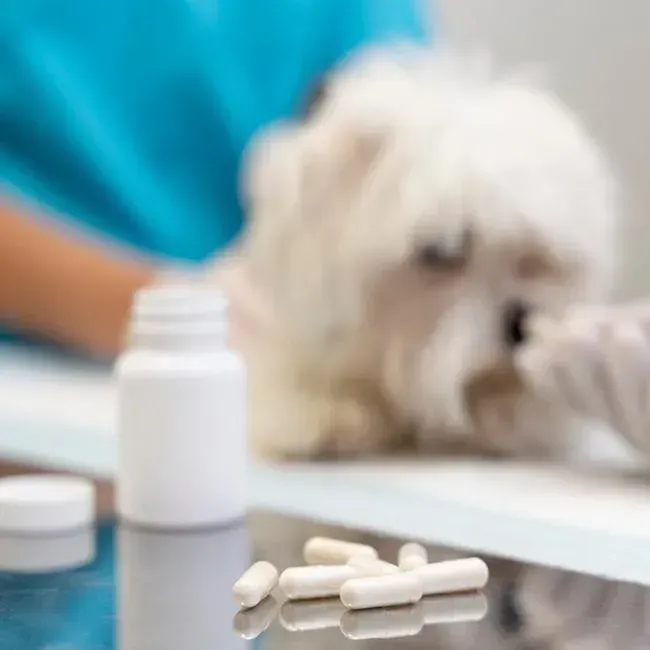
Oral Medications: These are the most common method of deworming. They come in various forms, including tablets, capsules, and liquid suspensions.
Topical Treatments: These treatments are applied to your dog's skin and are absorbed into the bloodstream.
Testimonial
What They Say
I called Walker Veterinary Hospital at 7:30 in the morning because my fur baby needed an urgent procedure, they fit me in same day within an hour or so of calling and from the moment I walked through those doors I was met with such compassion and kindness. It was such a scary and uncertain time but Dr. Hung and everybody I encountered was kind and knowledgeable and honestly exactly what I needed! My baby is on her road to recovery because of the excellent and timely care she received and I will FOREVER be grateful for them, Doctor called the morning after the procedure to check on her recovery and I just cannot express how much it means to know my girl was in the hands of someone so caring!

The worst day of our life happened… our boxer Bo’s life came to an end, he was unable to walk anymore. He could barely breathe, and it was time we went to Walker vet, and they took care of things. Someone was really paying attention because they realize the level of grief we were experiencing today in the mail unexpectedly, we received a pair of paw prints Words cannot express how heartfelt this is.

This site saved my dog’s life. My ESA and best friend was limping one day and we went to another site around town, and they prescribed him carprofen. It made things worse. We went to get a second opinion as things worsened at Walker. The doctor walked through symptoms with us, had me feel the lymph nodes in his back leg, and he was diagnosed with Immune-Mediated Hemolytic Anemia (IMHA). We don’t know what caused it but his body was destroying its own red blood cells. After this was identified he was put on steroids and antibiotics and he is in full recovery! He is back to his normal personality. I owe everything to Walker’s staff for saving my buddy.

We visited Walker Vet because we heard Dr. Hung was familiar with FIP in cats. Her knowledge, and her care, put us at ease and saved our cat’s life. She explained the details to us like a friend. She was genuinely concerned about his life, and helping us to build a strong at-home care regimen. The front office staff is professional and friendly. They operate smoothly and support the doctors well. Of my many phone calls, even on very busy days, I never received any attitude. Just good people helping other people and their pets.

My dog has always received the best care from Dr. Connie. My boy can be a handful at times, and Dr. Connie is always very patient with him, as well as with me, in answering all my questions and concerns regarding my fur baby's care. All the staff have always treated us with respect and care. I recommend Wallker Vet, especially Dr. Connie, to all my friends and family! Thank you for all your care, Dr. Connie! We appreciate you.

Review Us!
Visit Our Google & Yelp Review Page to Share Your Feedback
Download the Walker Vet App!
Access our mobile version by scanning the QR code to download.



Walker Veterinary Hospital © 2026. All Rights Reserved. | Sitemap
Powered by Get Top Listed Inc. | Privacy Policy | Terms and Conditions

